

Mice treated with THCA had better cognitive function, too. While hemp isn’t federally regulated as a controlled substance, it can be changed to produce the same THC in marijuana. THCA is getting more popular because it’s legal and accessible in most states in the U.S. If you use THC consistently, you may experience long-lasting side effects. If you heat, cook, or vape THCA, it produces THC and that can have other side effects similar to consuming marijuana.
Perhaps the most intriguing line of research is THC’s potential role in neurogenesis, the creation of new brain cells. In Alzheimer’s disease, laboratory work has indicated cannabinoids could protect neurons from damage and reduce brain inflammation, with some early evidence for improvements in agitation and sleep. In Parkinson’s disease, smaller studies have suggested THC may help with tremors, stiffness and pain, although results remain mixed. One large scale study that focused on MS patients found that throughout the 15-week trial, participants that were given oral THC extract showed Participants in the study summed it up as a “positive shift,” describing less fear and more calm. Pain, sickness, broken sleep and the anxiety that builds with each appointment are all too common.
Are the health benefits of cannabis as significant as commonly claimed? Individuals who engage in fast walking, referred to as “super-movers,” may retain sharper cognitive abilities as they grow older. Click here for additional product reviews, recipes, and research-backed articles regarding CBD from Healthline. Daily smoking of CBD is an ineffective method for managing a chronic illness. The Centers for Disease Control and Prevention states that smoking cannabis might impact your lung health and raise the risk of bronchitis.
More guides
Schizophrenia and psychosis are exclusions, while bipolar disorder requires careful assessment and usually support from the patient’s GP or mental health team before treatment can be considered. Because of these risks, UK prescribing guidelines exclude patients with schizophrenia or psychotic disorders to weed delivery liverpool ensure treatment remains safe and appropriate. The review noted that while more controlled trials are needed, cannabinoids such as THC show promise as complementary treatment options. Epilepsy research has focused mainly on CBD, but THC has also been investigated in smaller trials, with some patients reporting fewer seizures when it was used alongside other treatments. Conventional treatments can definitely ease certain symptoms, but not all patients find the symptomatic relief they so sorely need.
Although most believe accessing medical cannabis treatments, or having your eligibility for these options assessed, is a long and lengthy process, here at Releaf we’ve designed a state-of-the-art system that makes it quick and easy. When these licensed medicines or treatments have proven unsuccessful, patients with the following conditions can have their eligibility for medical cannabis assessed with doctors at Releaf. In the UK, medical cannabis has been a legal treatment option since November 2018 (just over six years). 45,000+ people have already discovered Releaf; check if you are eligible for medical cannabis treatment in as little as 20 seconds. If you have severe withdrawal symptoms, you may need to stay at a residential treatment program.
- Some users even face withdrawal symptoms, including irritability, decreased appetite, and fluctuations in mood when they stop using cannabis.
- CUD is not a common condition, and it’s estimated one out of 10 cannabis users may suffer from it at some point during their relationship with cannabis.
- Each cannabis plant contains natural chemicals that create the effects a person feels when using cannabis products.
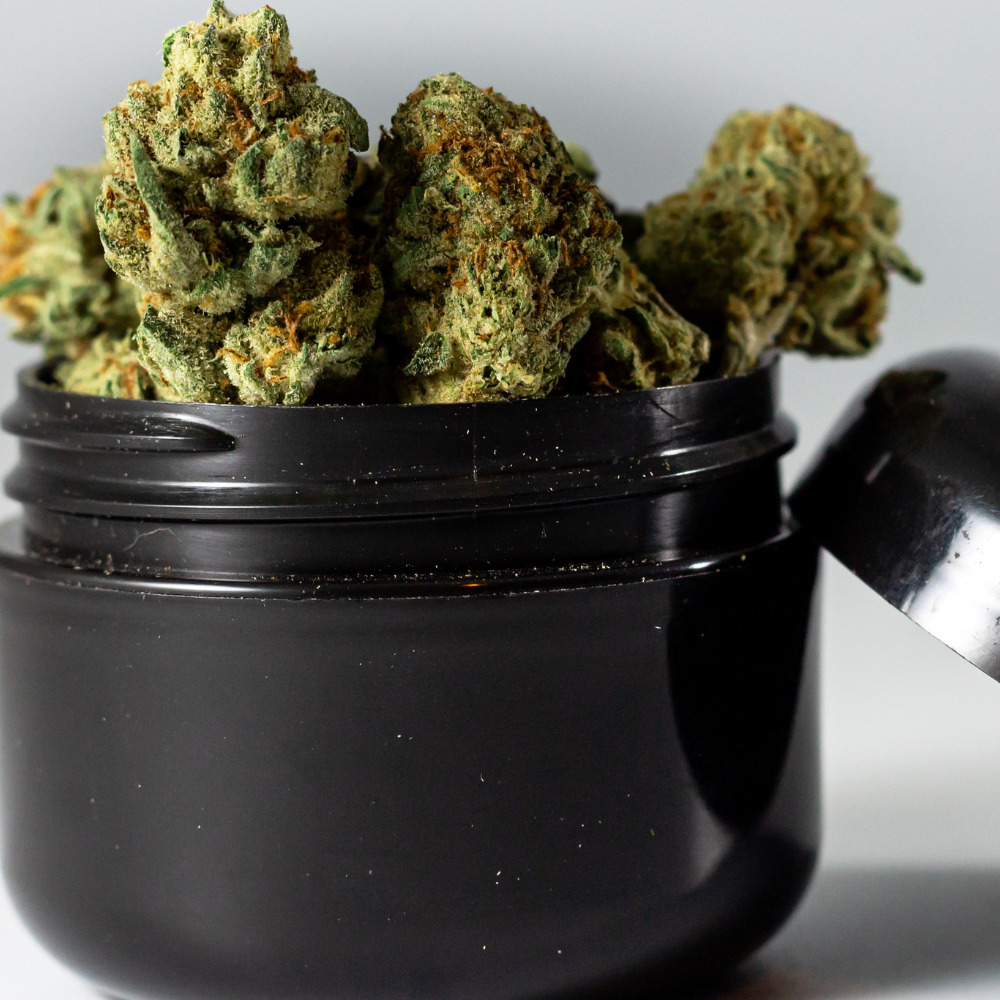
- Most cannabis products come from or can be made using the flowers and leaves of the cannabis plant.
What are some of the bad short term effects of cannabis?
Pure THC is removed from cannabis so that it can be given in specific doses. A small number of studies also show that specific products that contain a standardized amount of THC and other cannabinoids may be helpful for certain uses. Many people who use THC, or cannabis products that contain THC, report improvement in various symptoms, including pain, nausea, and stress. Due to its effects on the brain, many people use THC to improve their mood or manage stress or mental health problems. This means that it causes brain-altering effects that can make you feel “high.”

- Dr. Shields states that THC is the compound produced by the cannabis plant responsible for the majority of its euphoric and therapeutic effects.
- While using cannabis, some individuals may experience fear, panic, nausea, or feelings of depression, and acute intoxication can lead to an increased heart rate or tachycardia.
- Yes, research shows THC can help with chronic and neuropathic pain, offering relief for conditions like arthritis, migraines, or back pain.
- Millions of individuals suffer from chronic pain, with the majority experiencing pain related to nerve damage.
- The six most commonly available hemp-derived types of THC are Delta-9, Delta-8, Delta-10, THCa, THCP, and THCV.
- It’s safer to wait about four hours before deciding whether to take another dose.
Concentrating solely on the high can lead to common symptoms such as short-term memory impairment, with some users even experiencing substantial anxiety and paranoia. Youth and young adults are more likely to experience harms from cannabis because their brains develop until about age 25. Over two-thirds of the states in the U.S. and the District of Columbia have legalized various forms of medical marijuana for therapeutic purposes. One reason for this is that conducting research on a substance that remains illegal federally is challenging, despite state-level allowances. Research has connected cannabis use to low birth weights, and scientists believe it increases the chances of stillbirths and admissions to neonatal intensive care units. Beyond the minor side effects that users often humorously discuss—like short-term memory loss—recent research has associated marijuana with negative health impacts on the lungs, heart, brain, and reproductive organs.
NSW Health recognizes the various traditional lands and language groups of the people in New South Wales. This website provides a range of resources designed for friends and family members who are worried about their loved ones. Many synthetic cannabinoids have been developed in laboratories by scientists as well as illegal manufacturers.